Q&A with Helen Walker, Reuters Archive Manager
From opening up historic footage to emerging filmmakers to safeguarding decades of visual journalism, Helen Walker discusses how Reuters is rethinking archive access and reinforcing the value of trusted content in a fast-changing digital landscape.
The Reuters Connect Collection covers everything from newsreels dating back to 1896, with 150 new stories added daily. Through the Make Film History Challenge, you opened that up to emerging filmmakers for free. What was the thinking behind that?
While our team’s core mission is the longterm preservation of historic film content, last year we established an in-house digitisation facility that allows us to preserve fragile magnetic tapes and film negatives. We’ve also become increasingly aware of another challenge: emerging filmmakers rarely get hands-on access to professional-grade archives.
The cost of archive footage has tended to limit experimentation, particularly for early-career filmmakers. With the launch of the Reuters x Make Film History Challenge, we were able to remove that barrier by offering free archive access to emerging filmmakers around the world, encouraging them to create short films that reinterpret history through a contemporary lens.
We also knew, through our collaboration with Dr. Ciara Chambers, Senior Lecturer in Film & Screen Media at University College Cork and co-founder of Make Film History, just how difficult it can be for emerging filmmakers to break into major festivals like Sheffield DocFest. Through this collaboration, we’ve been able to offer access to world-class archives, greater industry exposure, and meaningful opportunities to showcase talent.
Last year's shortlisted films ranged from forced migration to nuclear testing in Polynesia to AI and the future of work. What surprised you about the filmmakers' response to the archive?
I first encountered the Make Film History initiative at Sheffield DocFest in 2024 and so, having seen the shortlisted films from that year, I already had a sense of the creative range that emerging filmmakers could bring to archive material.
Even so, nothing quite prepared me for the incredible diversity of approaches we saw in response to the Reuters archive! Filmmakers’ interpretations were varied, inventive and wonderfully creative: from video art to short-form documentary storytelling. It's been both fascinating, and a real pleasure, to explore the archive through a new lens.
Have you noticed any shifts in how filmmakers and productions are using archive? Are people coming to you looking for different things now?
There’s always a degree of predictability in how world events drive archive demand. Recent developments in Iran, from mass protests followed by the conflict with US/Israel, have led to increased interest in material from the region. Similarly, with the Men’s Football World Cup taking place in the United States this summer, we’ve seen a noticeable rise in demand for our football content.
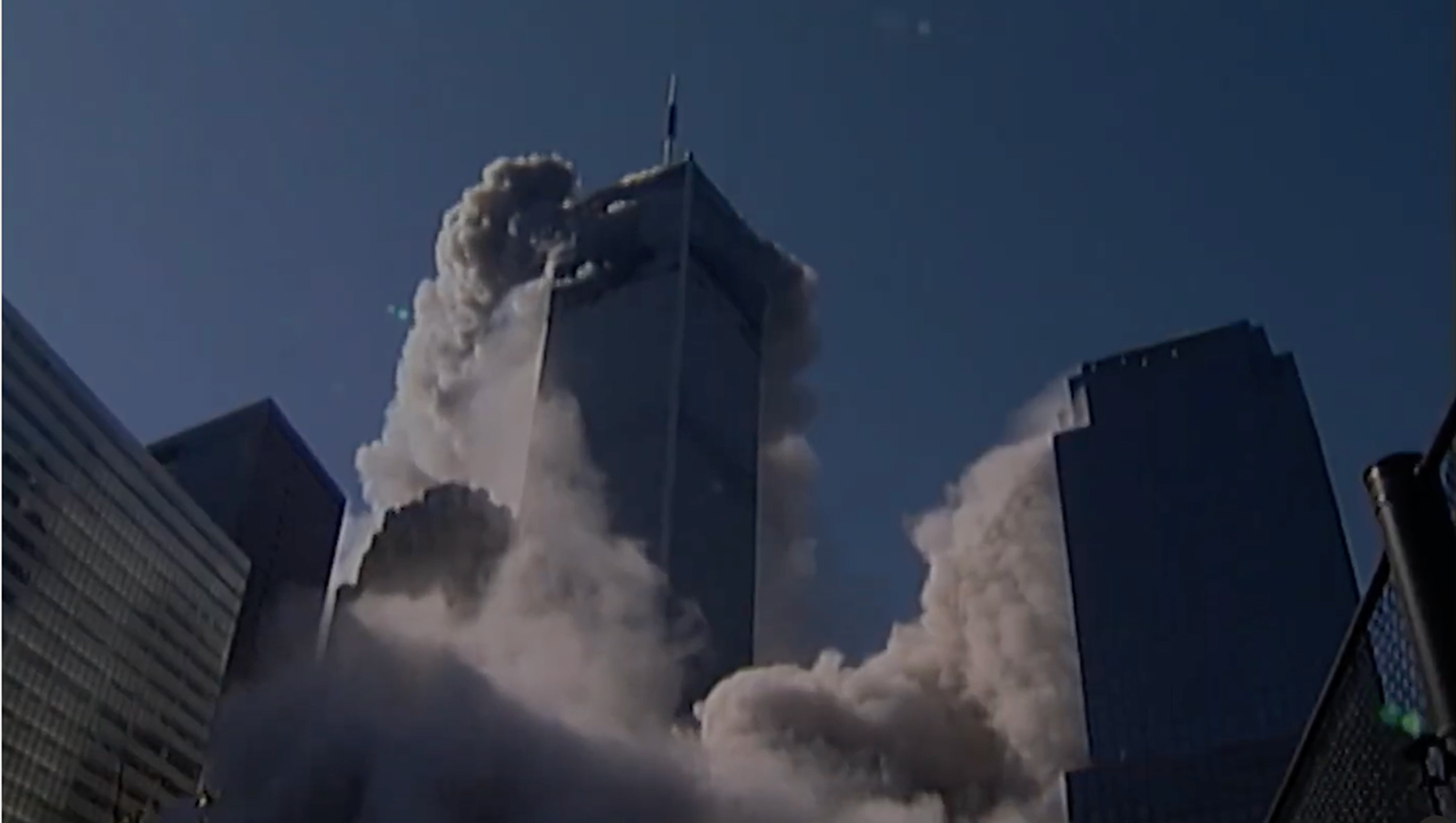
Anniversaries also play a major role. With the 25th anniversary of September 11 approaching, there has been significant interest in our newly digitised content from our New York bureau covering the tragedy.
Beyond those patterns, there have been broader shifts across the industry. During the Covid pandemic, restrictions on filming meant many productions turned to archival footage to underpin their storytelling, which led to a surge in archive use.
More recently, there was some concern that the rise of generative AI might reduce reliance on traditional archives. However, in an era of rampant misinformation and fabricated imagery, filmmakers are increasingly turning to trusted archives to lend authenticity and credibility to their productions.
What do you think archive footage offers filmmakers that shooting original material can't?
This speaks directly to the importance of authenticity. In an age where AI-generated imagery can easily blur the line between fact and fabrication, authentic archive footage provides verifiable evidence of events as they happened.
Archive footage also allows us to tell the story of our shared history in ways that cannot be replicated through reconstruction. Reuters camera personnel have borne eyewitness to history for decades, often at significant personal risk, and preserving their work is something I feel deeply passionate about. Through initiatives like our Media Ingest Hub, we’re working to ensure these visual records are not lost to time, technology, or circumstance. I strongly believe that part of our duty of care to our journalists is to safeguard both them and the material they’ve created, keeping it accessible for future generations of storytellers.
Reuters Screenocean Make Film History Challenge 2025
Discover more from Reuters
Explore the latest on our trusted coverage, innovative technology, and events
Discover the power of Reuters
Gain access to the world’s most trusted news source and elevate your content strategy with our unparalleled global coverage and innovative solutions.
Connect with our sales team today.