175 years at the forefront of history
Reuters was built on the mission to bring the world to the world without fear or favour. That conviction has held for 175 years and is embedded in our Trust Principles.
From carrier pigeons bridging a gap in the European telegraph network to real-time live IP feeds serving billions of readers, Reuters has always pioneered with technology to be first with the story. Today, 2,600 journalists in 200 locations across 165 countries carry that forward, every hour of every day.
What follows is a handful of the moments that shaped that history. They are not the whole story. They are a reminder of what it means to be Reuters.
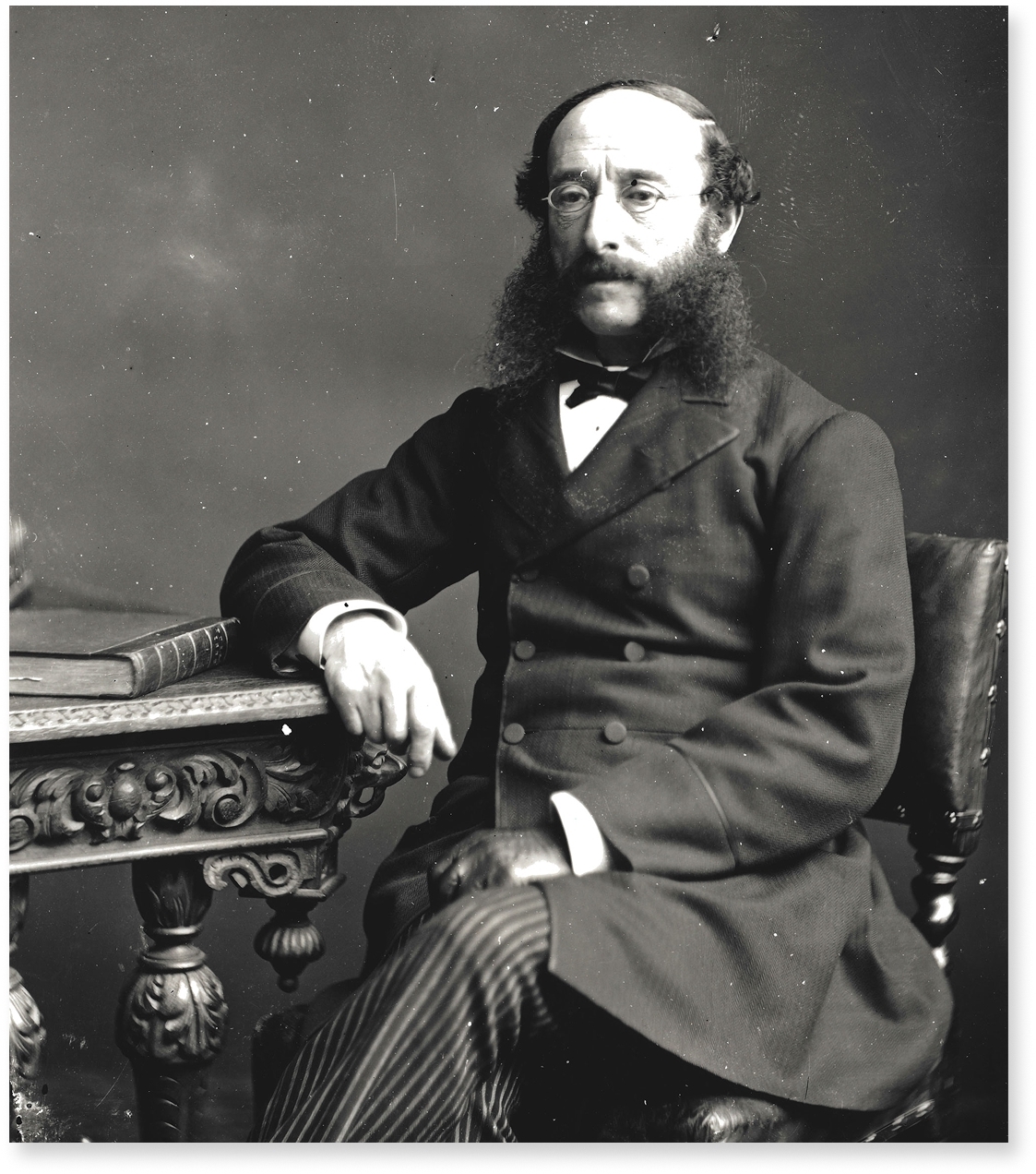
Five moments that made history
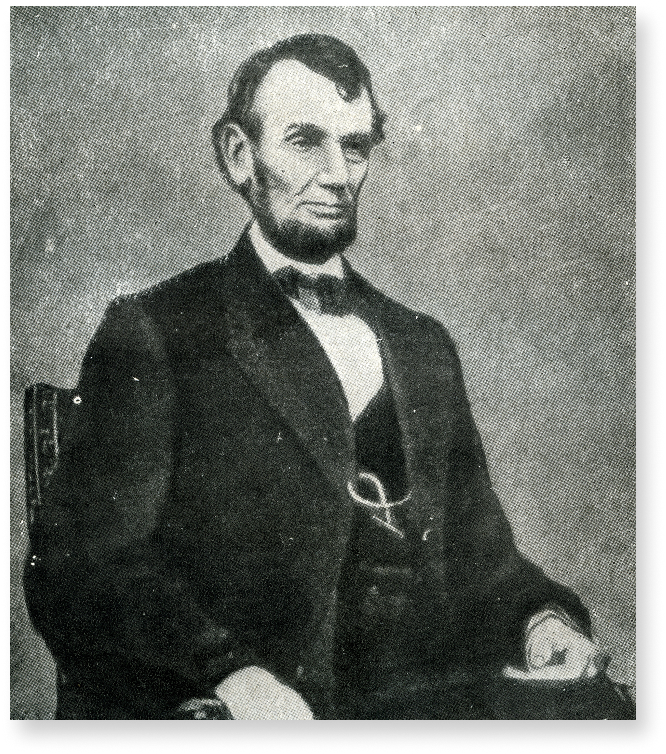
1865
How Europe learned that Lincoln was dead
When Abraham Lincoln was shot, news still crossed the Atlantic by steamship. Reuters agent James "Tugboat" McLean chased the departing mail steamer in a hired tug and threw his dispatch on board. Off the Irish coast, Reuters boatmen rowed out in all weather to fish waterproof canisters from the sea. The dispatch reached London newspapers hours before the ship docked. The world's most consequential political assassination of the 19th century — broken by Reuters.
1900
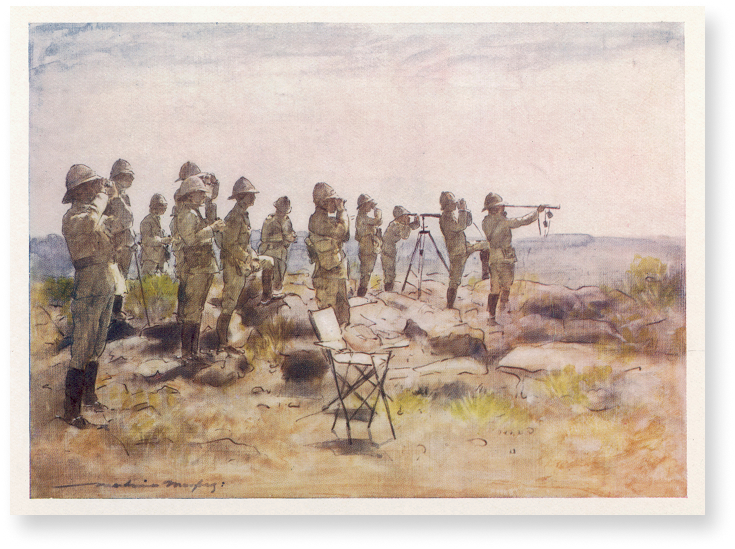
The relief of Mafeking — two days before anyone else
Reuters correspondent W.H. Mackay smuggled news of Mafeking's relief past Boer censors. For more than two days, Reuters alone held the story. The War Office, without official confirmation of its own, issued the Reuters dispatch as its communiqué. It triggered days of public celebration across Britain and demonstrated a level of trust that no government decree could manufacture.
1953
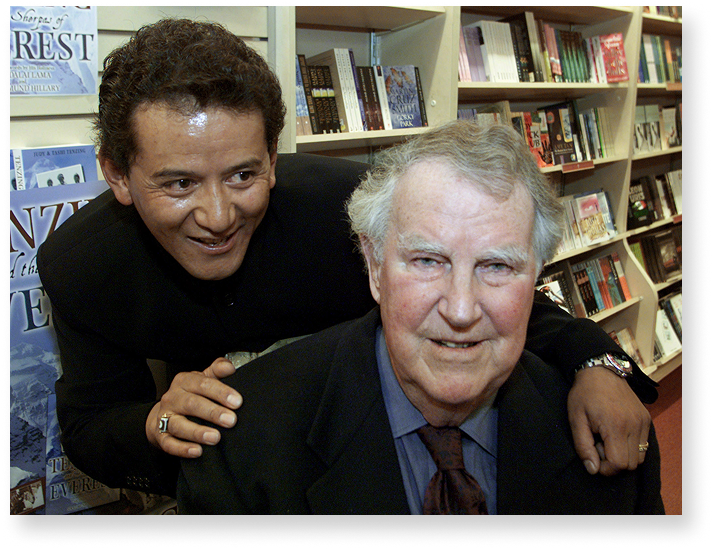
The summit of the world — 90 minutes ahead
To be first with news that Edmund Hillary and Tenzing Norgay had reached the top of Everest, Reuters correspondent Peter Jackson trekked 14 days to the Khumbu glacier at 18,000 feet. The story broke on the morning of Queen Elizabeth II's coronation — one of the most celebrated news moments of the 20th century. Reuters delivered it 90 minutes before anyone else.
1956
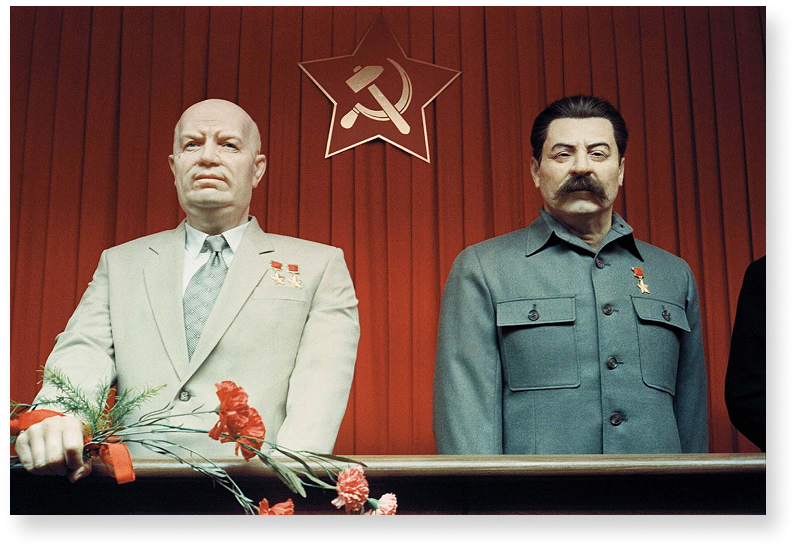
Khrushchev's secret speech — obtained and published
Nikita Khrushchev's denunciation of Stalin was never meant to leave the Kremlin. Reuters correspondent John Rettie obtained a detailed account of the speech, then flew to Stockholm to file it — bypassing Soviet censorship entirely. Publishing it changed the course of Cold War politics. It remains one of the great feats of journalism in the 20th century.
1989
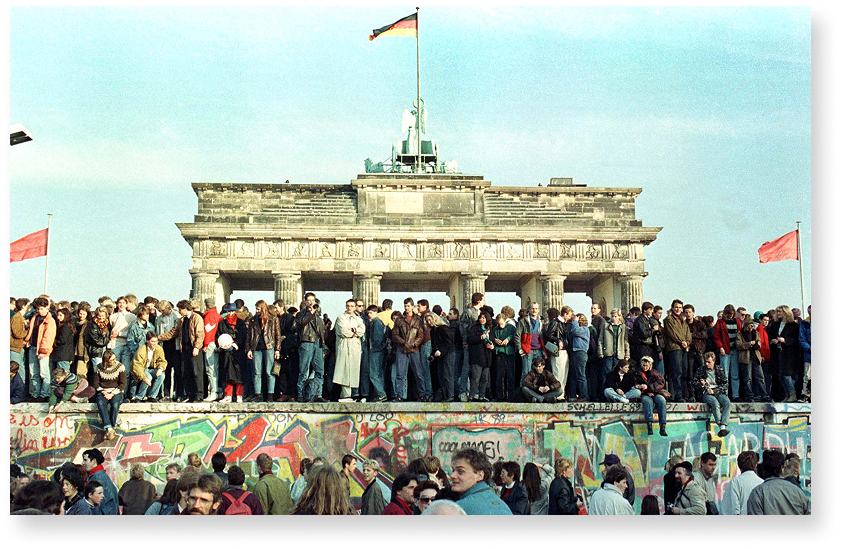
The Berlin Wall — Reuters was first when it fell, as when it was built
Reuters broke the collapse of the East German government ten minutes ahead of international agencies. Photographers and reporters were first on the ground as the Wall opened. What made the 1989 scoop possible was 28 years of unbroken presence in East Berlin — Reuters had also been first when the Wall went up in 1961. Great journalism is not a moment. It is what you have built long before the moment arrives.